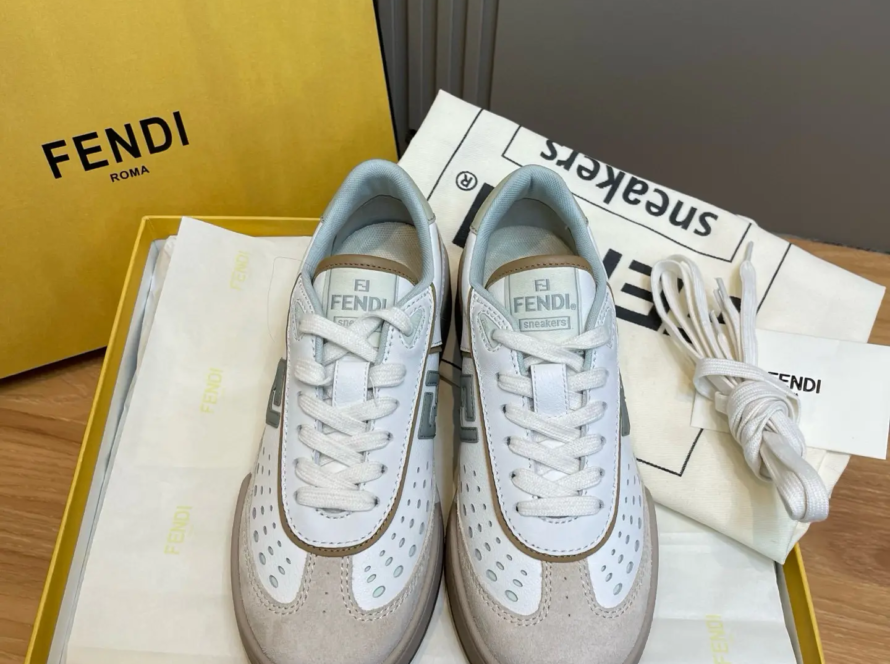
The Unsung Heroes of Luxury Footwear Care: Why Every Connoisseur Needs a Curated Shoe and Bag Collection
In high fashion, where custom leather soles showcase craftsmanship and limited-edition pumps are revered, footwear transcends mere utility—it becomes an art form, an heirloom, and an expression of insight. However, even the most exquisite Louboutins or carefully handcrafted Berluti oxfords can succumb to the elements if not properly protected. enter shoe bag: Not just a practical accessory, but an indispensable piece of armor for your sartorial investment. For luxury collectors, understanding the nuances of quality shoe storage is just as important as choosing the shoes themselves.
Silent Guardian: How Shoes and Bags Preserve Value and Longevity
Luxury footwear needs protection from invisible opponents:
-
dust and debris
Microscopic particles can settle into the leather grain and fabric tissue, accelerating wear and darkening the finish. Hermès calfskin or Chanel tweed flats deserve the barrier protection between wears. -
Moisture and Humidity
Leather is breathable, but too much moisture can cause warping, mold, and salt stains. A moisture-controlled environment inside a breathable shoe bag, such as organic cotton or a moisture-wicking temperature-regulating lining, can prevent disaster in humid climates or during travel. -
scratches and scuffs
Even when stored in a closet, heels can scratch each other. Silk-lined compartments feature reinforced toe boxes to protect delicate trim or patented finishes from micro-scratches. - UV rays and oxidation
Sunlight can fade colors and degrade materials. Opaque, UV-resistant bags, such as those from the Brunello Cucinelli range, maintain viability during storage.
For collectors of rare or vintage pieces, like 1990s Manolo Blahnik satin pumps or Tom Ford-era Gucci loafers, archival storage isn’t optional; it’s the science of preservation.
Beyond Basic Protection: The Icon of Luxury Shoes and Bags
Not all shoe bags are created equal. Discerning customers should prioritize the following elements:
1. Material Alchemy
- External: Waterproof and breathable fabrics such as waxed canvas, recycled technical microfiber or vegetable-tanned leather ensure durability without sacrificing beauty.
- Internal: Unbleached organic cotton, brushed bamboo viscose, or antimicrobial silver ion lining provides pH-neutral, hypoallergenic protection. Monogrammed silk upholstery (a hallmark of brands like Goyard) elevates unboxing to a ritual.
- Structural integrity: Gum or rigid panels prevent collapse and maintain shape during storage.
2. Customized craftsmanship
Luxury goods thrive on personalization. Handmade Houses offers:
- Customized compartments: Suitable for irregular shapes (such as knee-high boots or asymmetrical Balenciaga sneakers).
- Hand-sewn seams and reinforced stress points: Make sure they last as long as the shoes they protect.
- Custom embroidery: Initials, badges, and even GPS tracker pockets for clients who travel the world.
3. Design intelligence
- Ventilation system: Micro-perforated or ventilated gussets regulate airflow, which is crucial with suede or exotic leathers.
- Multi-compartmental organization: Separate shoe tree cover, care set (brush, cream) and removable dust bag.
- Zero-touch handling: Ring opening prevents fingerprints on sensitive materials.
Travel essentials reimagined
For those who travel frequently, luxury shoe bags are not only functional but also a sign of preparedness. Rough handling by airlines and fluctuating cabin pressure put even sturdy luggage to the test. Innovations from brands like Rimowa and TUMI include:
- Compression sealing technology: Vacuum seal bags reduce bulk without crushing soles.
- TSA approved hard case: Carbon fiber shell with foam interior, perfect for flimsy stilettos or crystal-embellished sandals.
- Odor neutralizing technology: Built-in cedar boards or activated carbon layers eliminate stale odors over long hauls.
Curate your collection: match bags with shoes
| footwear type | Recommended shoe bag specifications |
|---|---|
| Premium leather oxford shoes | Rigid construction, cedar lining, moisture control |
| designer sneakers | Ventilated compartments, wear-resistant padding |
| evening high heels | Silk or satin lining, separate toe box |
| rain boots/outdoor | Waterproof exterior, quick-drying microfiber interior |
A sustainable luxury perspective
Ecologically aware elites increasingly demand ethical stewardship. Forward-thinking brands answer:
- Round material: Piñatex (pineapple leather), upcycled ocean plastic or GOTS certified organic cotton.
- Carbon neutral production: Brands like Veja offer shoe bags made from recycled PET bottles, offsetting transport emissions.
- Fixes and updates planned: Louis Vuitton’s nomadic object The collection includes a lifetime renovation of your shoe cabinet.
Conclusion: Improving the level of care is a reflection of taste
A shoe bag is more than just a container; it’s a testament to how seriously people take their carefully curated collections. For lovers of luxury, protecting a $2,000 pair of custom John Lobb Derby shoes in a $5 polyester bag is like storing vintage Dom Pérignon champagne in a paper cup. Investing in archival-grade storage—whether a handcrafted Launer leather roll or a technologically advanced Paravel box—not only protects the material, but also the heritage. In the silent collaboration between shoes and bags, true sophistication is revealed.
Frequently Asked Questions: Solving the Questions of Discerning Collectors
Q1: How many pairs of shoes should be stored in each bag?
one: Always carry one pair per pack. Crowding can lead to deformation and material transfer (e.g. dye migration). For bulky items like boots, choose an extended bag with adjustable dividers.
Q2: Can luxury shoes and bags be machine washed?
one: rare. Most high-end materials require spot cleaning with a pH neutral solution. Silk or leather lined bags require professional care.
Q3: Can shoe bags prevent soles from turning yellow?
one: Partly. Non-yellowing soles (such as Vibram’s Arctic Grip) will help, but UV-resistant bags + storing shoes away from direct light can slow down oxidation.
Q4: What is the ideal storage environment when using bags?
one: Climate controlled space (15-20°C, 45-55% humidity). Avoid attics, basements or areas near radiators. A cedar last is inserted to absorb moisture.
Q5: How does the customized shoe and bag service work?
one: Brands such as Smythson or Asprey offer consulting services to measure footwear, choose materials and incorporate personal badges. Delivery time range is 6-12 weeks.
In an age where luxury is defined by carefully curated intention, shoes and bags appear not as an afterthought but as guardians of your aesthetic legacy. Choose wisely—the future of your footwear depends on it.