
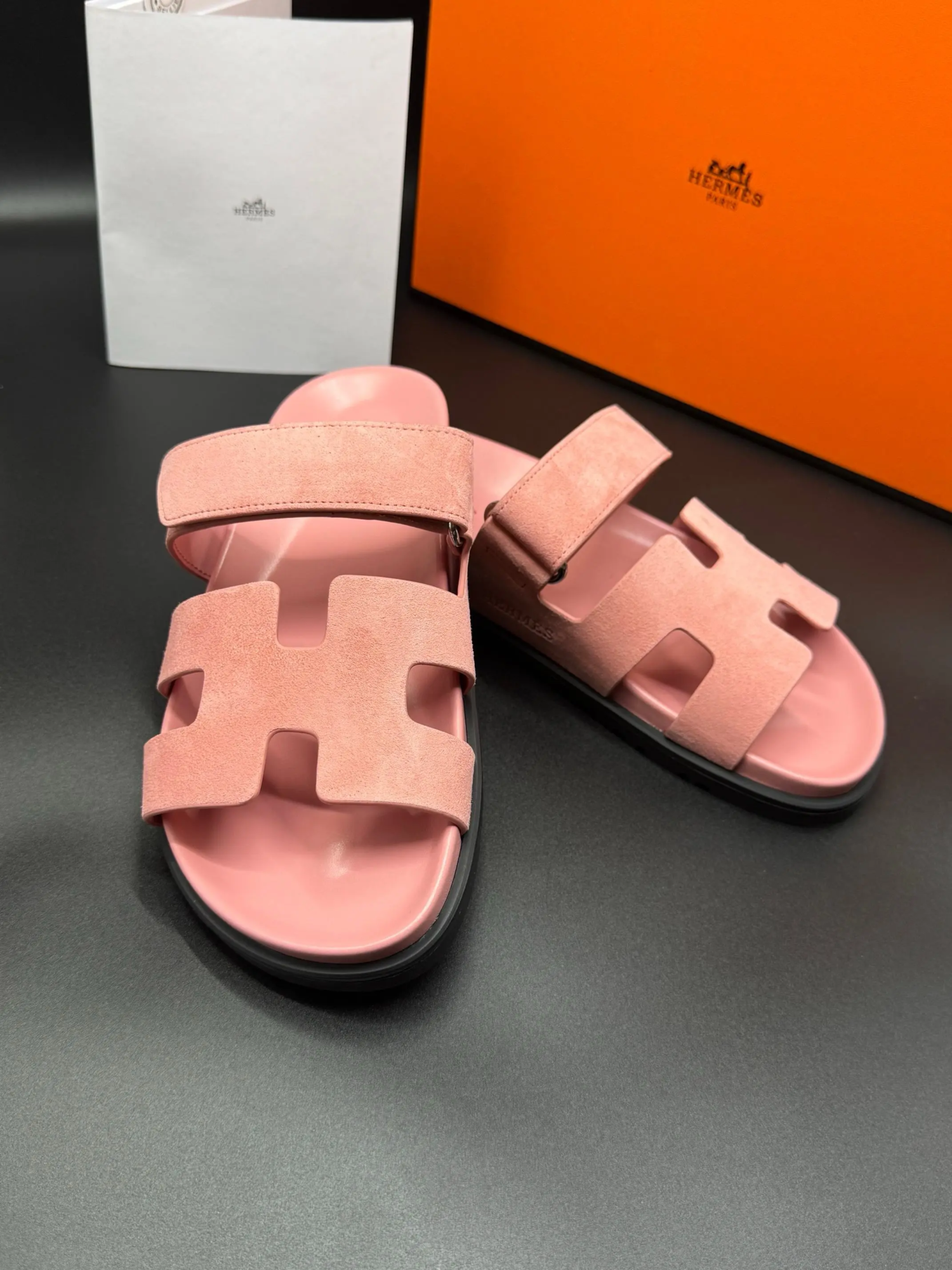
The evolution of luxury footwear: Interchangeable pumps redefine custom fashion
In an era where personalization is paramount, sustainability and affluence are intertwined, Interchangeable high heels has become the pinnacle of innovative luxury footwear. For discerning customers who view shoes as wearable works of art rather than just accessories, this revolutionary concept transcends the limitations of traditional footwear, blending haute couture sensibility with engineering precision.
The charm of modular elegance
What defines true modern luxury? In addition to fine materials and craftsmanship, today’s affluent consumers demand Adaptability and exclusivity. The interchangeable heel system accomplishes both functions by pairing a carefully crafted sole with multiple convertible heel components—from architectural stilettos to chunky sculptural blocks, adorned with everything from hand-set crystals to ethically sourced exotic leathers.
Imagine transitioning from the boardroom to the evening party without sacrificing comfort or style: The sleek 4-inch matte croc-embossed heel transforms into a 3-inch wide metal block with a seamless locking mechanism while maintaining structural integrity. This is not a fantasy, but a carefully curated reality that appeals to luxury collectors around the world.
Where Engineering Meets Art: The Science of Seamless Transition
As opposed to the novelty designs that dominate fast fashion, a truly interchangeable high heel system is a feat of biomechanical engineering. Leading luxury brands employ proprietary technologies such as:
- Magnetic lock system: Rare earth magnets combined with precision guide grooves ensure quiet and safe installation/removal.
- Twist stabilizes the core: Aircraft-grade aluminum or carbon fiber spine prevents lateral flexing while ergonomically transferring weight.
- Customized: 3D scanned insoles and pressure mapping soles made in collaboration with orthopedic experts.
Materials are crucial. Italian calfskin lining, Swiss-made mechanical components and hand-carved heels from sustainably sourced zebra wood embody the uncompromising standards demanded by luxury customers.
Sustainability is a silent statement of luxury
For the eco-conscious elite, interchangeable pumps are the antidote to throwaway fashion. Investing in an impeccably crafted sole (typically priced between $1,200 and $3,500) and an interchangeable heel ($400 to $900 per pair) can reduce wardrobe bulk while maximizing style arrangement. This modularity is consistent with "Quiet luxury" Ethos – Understated in principle, but profound in practice.
Brands like Maud Borup Privé and Charlotte have pioneered circular models: customers return out-of-season heels for refurbishment or exchange for new designs, effectively creating a closed-loop luxury ecosystem.
Curate your capsule heel collection
For collectors building interchangeable systems, consider these curated pairings:
- power heel: 100mm black piano lacquer stiletto heel for a commanding presence.
- modernist: Asymmetrical geometric block heel in brushed titanium.
- family heirloom: Limited edition heels feature filigree or traditional textile inlays.
- avant-garde: Collaborations with artists—think high heels embedded in Murano glass or miniature kinetic sculptures.
Expert Tip: Luxury Brands Offer "Concierge customization" Services – Customer consultants help design high heels to match specific haute couture or rare gemstone jewelry.
The future is modular
As nanotechnology makes its way into luxury footwear (self-adjusting heels, anyone?) and artificial intelligence predicts style preferences based on customer profiles, interchangeable systems will evolve into total wardrobe platforms. Forward-thinking brands are already trying:
- Heel height adjustment controlled via micro-hydraulic control app.
- The high heels are embedded with an NFC chip, which verifies authenticity and provenance.
- "digital twin" High heels that are a fusion of Yuanjie fashion.
Conclusion: Redefining luxury through transformative design
Interchangeable heels represent more than just a trend; they mark a paradigm shift in luxury consumption. By uniting bespoke craftsmanship, technical innovation and sustainable values, they cater to the sophisticated needs of modern connoisseurs who refuse to choose between beauty and originality. For those seeking shoes that are as unique as a fingerprint, purchasing modular heels is not only practical but also a statement of sartorial wisdom.
FAQ: Interchangeable Heel System Revealed
Q: Is it safe to replace the heels? Does it feel any different from fixed heels?
A: Advanced systems undergo rigorous stress testing (typically over 2,000+ connection cycles). When properly engaged, they exhibit the same stability as traditional heels, and the shock-absorbing technology often improves comfort.
Q: Can I convert my existing designer heels into an interchangeable system?
A: Professional studios offer heel conversion services ($800-$2,500, depending on complexity), but compatibility depends on the construction of the shoe. Most people recommend buying a system from the start.
Q: How many heel changes can the locking mechanism withstand before being replaced?
A: Deluxe systems typically guarantee 500-1,000 seamless changes. Platinum service includes annual mechanism inspections and upgrades.
Q: Is this shoe suitable for wide or narrow feet?
Answer: Of course. Custom brands create custom soles that incorporate orthopedic input, adjustable insoles and customized heel weight distribution.
Q: What maintenance does interchangeable heels require?
A: It is recommended that the connection points be professionally cleaned every 6-8 times of wear. Brands often offer ultrasonic cleaning kits and torque calibration tools for home care.
Q: How do limited editions or collaborations play into this model?
A: The brand launches high heels for the season "collectibles" (For example, a set inspired by Schiaparelli’s Surrealism). Connoisseurs will buy specific heels a la carte, creating an appreciating asset similar to fine jewelry.
Q: Are custom heel designs subject to intellectual property restrictions?
Answer: Yes. While customers get their own physical heel, copying of the patented locking mechanism or brand design elements is prohibited. Fully transparent protocols are standard.

